Your garage door probably isn't silent — and it doesn't need to be. With rollers moving along tracks, hinges bending between sections, springs supporting the weight of the door and a garage door opener powering the system, some sound is completely normal.
What isn't normal is a garage door that suddenly starts squeaking, grinding, rattling, popping or making a loud bang.
Banko technicians commonly find that a new or increasingly loud garage door noise is an early sign of worn rollers, loose hardware, spring trouble or an opener working harder than it should. Paying attention now could help you catch a relatively small problem before it becomes a larger repair or leaves your garage door stuck altogether.
What Is Your Noisy Garage Door Trying to Tell You?
The type of noise your garage door makes can provide clues about what may be wrong. Use this quick guide to understand some common causes and when the sound may require professional attention.
Below, we take a closer look at each sound, what may be causing it and when you should call a professional.
1. Why is my garage door squeaking or squealing?
What it sounds like: A high-pitched squeak or squeal as the garage door opens and closes.
What it may mean: Squeaking is often associated with friction between moving garage door components. Rollers, hinges, bearings and other moving parts can become noisy as lubrication wears away or components begin to age.
- The sound may indicate:
- Dry rollers or hinges
- Worn garage door rollers
- Aging bearings
- Components that need proper lubrication
- Normal wear that has progressed to the point that a part needs replacement
Routine garage door maintenance can help keep moving components operating smoothly and give a professional an opportunity to identify worn parts before they fail.
If lubrication doesn't resolve the sound or the squeaking quickly returns, there may be more going on than a dry component.
2. Why is my garage door making a grinding or scraping noise?
What it sounds like: Metal grinding, dragging or scraping while the door is moving.
What it may mean: Grinding deserves attention. Your garage door should travel smoothly along its tracks, so grinding or scraping can indicate that parts aren't moving the way they should.
Potential causes include:
- Worn or damaged rollers
- A garage door that is out of alignment
- Bent or damaged tracks
- Worn bearings
- Metal components rubbing together
- A problem with the garage door opener
Watch the door from a safe distance while it operates. Does it shake, move unevenly or appear to struggle at a particular point?
Those additional symptoms can help a garage door repair technician determine where the problem is coming from.
Avoid trying to straighten tracks or make significant adjustments yourself. A garage door system contains components under substantial tension, and certain repairs should always be left to a trained professional.
3. Why does my garage door rattle when opening or closing?
What it sounds like: Repeated rattling, vibrating or clanking as the garage door travels.
What it may mean: With hundreds or even thousands of garage door cycles over time, vibration and everyday wear can affect hardware and moving components.
Rattling may be related to:
- Loose hardware
- Worn rollers
- Track or bracket issues
- Garage door opener vibration
- A loose or improperly adjusted opener component
Don't ignore a rattle simply because the garage door still opens and closes. A change in sound can be one of the first indications that your garage door needs attention.
4. Why does my garage door make a popping sound?
What it sounds like: A noticeable pop during a particular point in the opening or closing cycle.
What it may mean: A popping garage door can have several possible causes, including components binding as the door travels, worn rollers or hinges, track issues, or a problem involving the garage door springs.
Pay particular attention if popping is accompanied by:
- Jerky movement
- An uneven or crooked door
- Difficulty opening
- A door that suddenly feels unusually heavy
- Visible problems with a spring or cable
Garage door springs are responsible for helping counterbalance the considerable weight of the door. Never attempt to adjust or repair garage door springs or cables yourself. These components operate under high tension and should be serviced by a qualified garage door professional.
5. What causes a loud bang in the garage?
What it sounds like: A loud bang from the garage — sometimes even when the door isn't moving.
What it may mean: This is one garage door sound you should take seriously.
A loud bang can be a sign of a broken garage door spring. When a torsion spring breaks, the sudden release of tension can produce a surprisingly loud noise.
You may also notice that:
- The garage door won't open.
- The opener tries to lift the door but struggles.
- The door lifts only a few inches.
- The door feels extremely heavy.
- There is a visible gap in the torsion spring.
If you suspect a broken spring, stop operating the door and schedule professional garage door spring replacement.
Continuing to operate a garage door with a broken spring can place additional strain on the garage door opener and other components.
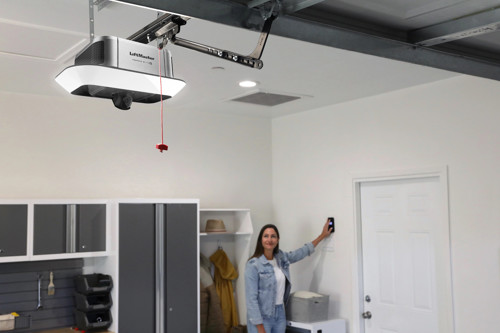
6. Why is my garage door opener humming but not moving?
What it sounds like: The garage door opener hums or runs, but the door barely moves — or doesn't move at all.
What it may mean: The noise may be coming from the garage door opener rather than the door itself.
Possible causes include:
- A garage door opener problem
- A door that is improperly balanced
- Excessive resistance somewhere in the system
- A damaged or disconnected opener component
- A broken spring making the door too heavy for the opener
If your opener suddenly sounds like it is working much harder than usual, don't keep pressing the button and hoping the problem goes away.
The opener is designed to move a properly functioning, balanced garage door. When another component fails, repeatedly operating the opener can potentially create additional problems.
A professional can inspect both the door and opener to determine whether you need garage door opener repair or service elsewhere in the system.
7. Why does my garage door click but not open?
What it sounds like: You press the remote or wall control and hear a click, but the garage door doesn't move normally.
What it may mean: Before assuming your garage door opener has failed, look for some of the simpler possibilities.
Check whether:
- Something is blocking the garage door's path.
- The photo-eye safety sensors are dirty or obstructed.
- The opener has power.
- Your remote needs a new battery.
- The door has been disconnected from the opener.
If those basic checks don't identify the issue, it's time for a professional inspection.
When Is Garage Door Noise a Problem?
A garage door will naturally produce some sound during operation. The more important question is:
Has the sound changed?
A noise that suddenly appears, becomes louder or happens alongside a change in how the garage door operates deserves attention.
Watch for warning signs such as:
- New grinding, popping or banging noises
- Excessive shaking or vibration
- Uneven garage door movement
- Slow opening or closing
- A garage door that stops during operation
- A door that reverses unexpectedly
- Frayed or loose cables
- Visible spring damage
- An opener that sounds strained
Your garage door is one of the largest moving systems in your home and is likely used multiple times each day. Parts naturally wear over time, which is why regular inspections and preventive garage door maintenance are important.
Can I Fix a Noisy Garage Door Myself?
There are a few basic things homeowners can safely observe, such as checking for debris around the tracks, looking for obvious damage and keeping photo-eye sensors clean.
However, garage door repairs aren't the place for trial and error.
Springs, cables, bottom brackets and other components can be under significant tension. Attempting to adjust or replace these parts without the proper training and equipment can result in serious injury or property damage.
When in doubt, Bank on the Best and have a trained garage door technician inspect the system.
Don't Wait Until a Noisy Garage Door Stops Working
That squeak, rattle or grind may seem like a minor annoyance today, but unusual garage door noises can be an early warning of worn or failing components.
Having the problem inspected early can help identify the source of the noise, keep your garage door operating safely and potentially prevent a more inconvenient repair later.
Whether you need garage door maintenance, garage door repair, garage door spring replacement or garage door opener repair, Banko Overhead Doors has been helping Florida homeowners keep their garage doors operating safely and reliably for decades.
Hearing something that doesn't sound right?
Schedule your garage door service with Banko Overhead Doors today.
Call 1-877-90-BANKO (22656) or visit BankoDoors.com to schedule service.
Bank on the Best in Garage Doors.